

Introduction
The cost of living in Malaysia 2026 remains attractive compared with many major international cities, but the idea that every expat can live comfortably on a very small budget is increasingly unrealistic. Your actual expenses will depend heavily on where you live, whether you rent alone, how often you use air-conditioning, whether you drive, and whether your family requires international schooling.
Malaysia’s official Consumer Price Index increased by 2.0% year-on-year in May 2026, following a 1.9% increase in April. Inflation remains relatively moderate, but rent, imported groceries, utilities, private services and lifestyle spending can still make a major difference to an expat household’s monthly budget. :contentReference[oaicite:2]{index=2}
This guide provides practical 2026 planning ranges rather than promising a single universal figure. All budgets are in Malaysian ringgit and should be treated as estimates, not fixed prices.
Quick answer: A single expat can plan for approximately RM3,000 to RM4,500 per month on a careful budget, while RM5,000 to RM7,000 allows for a more comfortable lifestyle. A couple may spend RM7,000 to RM10,000, while a family of four may require RM10,000 to RM15,000 before international school fees.
Cost of Living in Malaysia 2026: Monthly Budget at a Glance
| Household and lifestyle | Practical monthly budget |
|---|---|
| Single expat on a careful budget | RM3,000–RM4,500 |
| Single expat living comfortably | RM5,000–RM7,000 |
| Couple living comfortably | RM7,000–RM10,000 |
| Family of four, excluding school fees | RM10,000–RM15,000 |
| Premium city-centre lifestyle | RM15,000 and above |
These ranges include normal accommodation, utilities, food, local transport, communications and moderate leisure spending. They do not include income tax, international school fees, major medical treatment, loan repayments, frequent international travel or visa-related costs.
The biggest variables are usually housing, children’s education and private transport.
Housing and the Cost of Living in Malaysia 2026

Rent will normally be your largest monthly expense. Kuala Lumpur offers everything from shared rooms and older suburban apartments to premium serviced residences overlooking KLCC.
Current rental advertisements illustrate how wide the market is. Small units in parts of Petaling Jaya are being advertised at approximately RM1,600 to RM1,950 per month. In Mont Kiara, current two-bedroom asking rents commonly appear between approximately RM2,800 and RM5,900, depending on the building, size, age, furnishings and facilities. Premium KLCC residences can cost substantially more. These are advertised prices rather than official average transaction rents. :contentReference[oaicite:3]{index=3}
Typical monthly rental ranges
| Accommodation | Estimated monthly rent |
|---|---|
| Room in a shared apartment | RM700–RM1,500 |
| Studio or compact unit outside prime areas | RM1,500–RM2,300 |
| One-bedroom unit in a convenient KL location | RM2,000–RM3,500 |
| Two-bedroom condominium | RM2,500–RM5,000 |
| Three-bedroom family condominium | RM3,000–RM7,000 |
| Premium KLCC or luxury residence | RM5,000–RM12,000+ |
A cheaper apartment far from your workplace is not always the cheapest overall option. Add the cost of Grab rides, petrol, tolls, parking and time spent commuting before choosing a location.
Upfront rental costs
New expats should prepare for substantially more than the first month’s rent. A landlord commonly requests:
- One month’s advance rent
- Two months’ security deposit
- A separate utility deposit
- Tenancy agreement and stamping costs
- Internet installation or activation charges
- Furniture, kitchenware and household essentials
This means the first month in Malaysia can cost several times your normal monthly budget. Negotiate clearly, request receipts and confirm the refund conditions in the tenancy agreement.
Cost of Food and Groceries in Malaysia
Food can be either one of the most affordable or one of the most expensive parts of living in Malaysia.
Local meals at hawker centres, kopitiams, food courts and mamak restaurants remain relatively affordable. Imported food, premium cafés, alcohol, organic products and frequent delivery orders can quickly increase spending.
Practical monthly food budget
| Household | Groceries and normal dining |
|---|---|
| Single person | RM800–RM1,800 |
| Couple | RM1,500–RM3,000 |
| Family of four | RM2,500–RM4,500 |
Someone who cooks regularly and eats local food may spend below these ranges. A household buying imported cheese, berries, specialty health products, premium meat and international brands may spend considerably more.
Food costs Indian expats should consider
Indian groceries are widely available in Kuala Lumpur, Petaling Jaya, Klang, Penang and Johor Bahru. Basic rice, lentils, vegetables and spices can be affordable, but imported atta, ghee, paneer, snacks and brand-specific products may cost more than their equivalents in India.
A useful strategy is to buy everyday produce from local supermarkets or wet markets and reserve Indian specialty stores for products that are difficult to substitute.
Food-delivery applications are convenient, but delivery charges, small-order fees and platform price differences can turn an inexpensive meal into a significantly more expensive order.
Utilities, Internet and Mobile Costs
Utilities are manageable for most households, but air-conditioning usage has a major effect on electricity bills.
Malaysia’s electricity tariff structure was redesigned from 1 July 2025. Domestic customers now fall under the updated Domestic General or Time-of-Use structure, while fuel-related adjustments can also affect the final bill. Residents should check the tariff category shown on the actual electricity account rather than relying on an old tariff table. :contentReference[oaicite:4]{index=4}
Estimated monthly household utilities
| Expense | Typical monthly range |
|---|---|
| Electricity | RM100–RM500 |
| Water | RM10–RM50 |
| Home fibre internet | RM89–RM180 |
| Mobile plan per person | RM30–RM120 |
| Cooking gas, where applicable | RM25–RM50 |
A family using several air-conditioners for long periods may pay more than RM500 for electricity. A single person who mainly uses fans and runs one air-conditioner at night may spend much less.
Air Selangor’s revised tariff became effective in September 2025. The first domestic consumption block of up to 20 cubic metres remained RM0.65 per cubic metre, while higher-consumption blocks became more expensive. Condominium residents should confirm whether the unit is individually metered or billed through a bulk meter. :contentReference[oaicite:5]{index=5}
Home fibre packages are commonly available from around RM89 per month, although the final price depends on speed, contract duration, promotions, building coverage and added entertainment packages. :contentReference[oaicite:6]{index=6}
Transportation Costs for Expats
Your transportation budget depends mainly on whether you live near a train line.
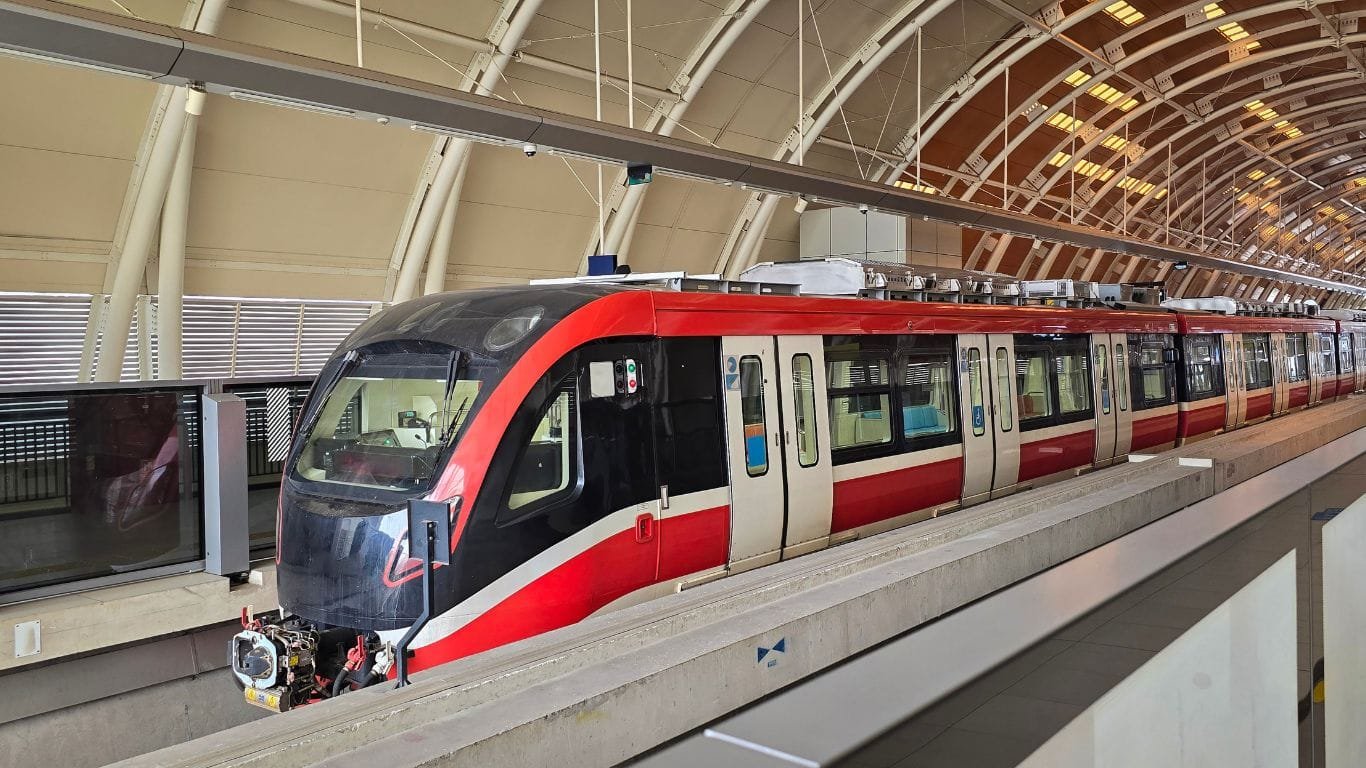
Kuala Lumpur’s MRT, LRT, Monorail, BRT and bus services can reduce the need for a car. Rapid KL’s integrated fare information was updated in June 2026. Foreign residents who commute frequently can purchase the Rapid Bulanan pass for RM150, offering 30 days of unlimited rides on Rapid KL rail and bus services. :contentReference[oaicite:7]{index=7}
The cheaper My50 pass is exclusively for Malaysians, so foreign residents should not calculate their budget on the assumption that they qualify for it. :contentReference[oaicite:8]{index=8}
Monthly transportation estimates
| Transport style | Estimated monthly cost |
|---|---|
| Mainly walking and public transport | RM100–RM250 |
| Public transport plus occasional Grab | RM250–RM600 |
| Frequent Grab usage | RM500–RM1,200 |
| Owning an economical car | RM1,000–RM2,000+ |
| Premium car or heavy daily commute | RM2,000–RM4,000+ |
Car ownership expenses include instalments or depreciation, petrol, tolls, parking, road tax, insurance, servicing, tyres and unexpected repairs.
A household may save money by renting a slightly more expensive property near an MRT or LRT station instead of buying a second car.
Healthcare and Insurance
Malaysia has government and private healthcare facilities, but most working expats use private clinics and hospitals for convenience.
A sensible budget should include:
- Routine clinic consultations
- Prescription and over-the-counter medication
- Dental care
- Health screening
- Medical insurance premiums
- Costs not covered by an employer’s insurance
- Emergency deductibles or co-payments
A single healthy adult may set aside approximately RM200 to RM600 per month for insurance and ordinary medical expenses. Families, older residents and people requiring broader international coverage should budget more.
Before accepting a job offer, examine the company’s medical benefits carefully. Check whether the insurance covers hospitalisation only or also includes outpatient consultations, dental care, maternity, specialist treatment and dependants.
International School and Childcare Costs
Schooling can completely change the cost of living in Malaysia 2026 for a family.
International school fees vary by curriculum, grade level, school reputation, location and included services. In addition to tuition, parents may need to pay for:
- Registration and application fees
- Refundable deposits
- Technology charges
- Books and uniforms
- School buses
- Meals
- Sports and extracurricular activities
- Examination fees
- School trips
Because fees vary so widely, international schooling is excluded from the family budgets in this guide. Parents should obtain the complete annual fee schedule directly from each shortlisted school and divide the full cost by 12 when planning their monthly budget.
Do not compare schools using tuition alone. A lower-priced school located far from home may create substantial transport costs and long daily journeys.
Cost of Living in Malaysia 2026 by Location
Kuala Lumpur and the Klang Valley
Kuala Lumpur has Malaysia’s widest range of jobs, international schools, private hospitals, restaurants and expat-oriented housing. It also has the country’s broadest variation in rental prices.
Popular expat locations include:
- KLCC for premium city-centre living
- Mont Kiara for international schools and family-sized condominiums
- Bangsar for dining, connectivity and established neighbourhoods
- Bangsar South for offices and access to the Kelana Jaya LRT line
- Damansara and Petaling Jaya for larger suburban communities
- Cheras, Sungai Besi and Old Klang Road for comparatively affordable condominiums
A comfortable single expat in Greater Kuala Lumpur should generally plan around RM5,000 to RM7,000 per month. A couple may plan around RM7,000 to RM10,000.
Penang
Penang attracts retirees, remote workers, medical travellers and professionals working in manufacturing and technology.
George Town and the northern coastal areas can command premium rents, while mainland Penang is generally more affordable. A single expat may plan approximately RM3,500 to RM6,000 per month, depending on housing and lifestyle.
Island traffic can be challenging, so location should be chosen around work, school and daily activities.
Johor Bahru
Johor Bahru is popular with residents connected to Singapore and with families living around Iskandar Puteri.
Rental costs can be lower than central Kuala Lumpur, but residents who commute, drive frequently or cross the border regularly should budget for transport, tolls and time. A practical single-person budget may range from RM3,500 to RM6,500.
Ipoh and Melaka
Ipoh and Melaka generally offer lower housing costs and a slower pace of life. They may appeal to retirees, remote workers and people who do not require access to Kuala Lumpur’s employment market.
A single person may be able to live on approximately RM3,000 to RM5,000 per month, while a couple may budget RM5,000 to RM8,000.
However, international school options, specialised medical services and certain imported products may be more limited than in Greater Kuala Lumpur.
Example Monthly Budget for a Single Expat in Kuala Lumpur
Here is a realistic example for someone renting a modest one-bedroom unit, using public transport and enjoying a balanced lifestyle.
| Category | Monthly estimate |
|---|---|
| Rent | RM2,200 |
| Electricity and water | RM250 |
| Internet and mobile | RM150 |
| Groceries | RM800 |
| Dining and coffee | RM700 |
| Public transport and Grab | RM350 |
| Healthcare and insurance | RM350 |
| Entertainment and personal spending | RM600 |
| Estimated total | RM5,400 |
This is not a luxury budget, but it allows more flexibility than an extremely restricted RM3,000 plan.
Example Monthly Budget for an Expat Couple
| Category | Monthly estimate |
|---|---|
| Rent | RM3,000 |
| Electricity and water | RM400 |
| Internet and two mobile plans | RM230 |
| Groceries | RM1,400 |
| Dining and delivery | RM1,000 |
| Transport | RM700 |
| Healthcare and insurance | RM700 |
| Entertainment and miscellaneous | RM900 |
| Estimated total | RM8,330 |
A couple living near public transport and cooking regularly may spend less. A couple owning two cars, travelling frequently and dining at premium restaurants may spend substantially more.
Hidden Costs New Expats Often Miss
Many cost-of-living guides focus only on normal monthly spending. New arrivals should also prepare for:
- Rental deposits and moving costs
- Temporary accommodation before securing a lease
- Furniture and kitchen equipment
- Tenancy agreement expenses
- Annual insurance payments
- Visa renewals and document processing
- Flights home
- Medical expenses outside insurance
- Car repairs and annual road-related costs
- School deposits and registration charges
- Currency conversion and international transfer fees
Malaysia expanded the scope of Sales and Service Tax from July 2025, although the effect varies by product, service, provider threshold and applicable exemption. Expats should check whether quoted prices include SST rather than automatically adding a flat percentage to every household expense. :contentReference[oaicite:9]{index=9}
How to Reduce the Cost of Living in Malaysia 2026
Choose a home based on total commuting cost
Compare rent, parking, petrol, tolls and Grab expenses together. Paying RM300 more for a home near a train station may be cheaper than maintaining another car.
Check the utility tariff before signing
Ask whether electricity and water are individually metered and which tariff category applies. This is especially important for serviced residences and mixed developments.
Buy local alternatives
Local vegetables, fruits, rice and household products are usually more economical than imported brands.
Limit food delivery
Cooking a few meals each week and collecting takeaway orders directly can noticeably reduce monthly spending.
Negotiate the rental package
Confirm which furnishings, appliances, maintenance responsibilities and parking bays are included before agreeing to the rent.
Track annual expenses monthly
Divide annual insurance, travel, road tax, servicing and visa costs by 12. Save that amount each month so these bills do not become financial surprises.
Is Malaysia Still Affordable for Expats in 2026?
Yes, Malaysia can still offer a strong balance of housing, food, transport, healthcare and lifestyle. However, affordability depends on expectations.
A single expat willing to share accommodation, cook regularly and use public transport can live on a relatively modest budget. A professional seeking a private city-centre apartment, frequent dining, private transport and premium services will need significantly more.
The most realistic conclusion is:
- RM3,000 to RM4,500 supports a careful single-person lifestyle.
- RM5,000 to RM7,000 offers a comfortable single-expat lifestyle.
- RM7,000 to RM10,000 is a practical range for many couples.
- RM10,000 to RM15,000 may support a family before international school fees.
- Premium housing, multiple cars, international schools and frequent travel can take spending far beyond these ranges.
Frequently Asked Questions About the Cost of Living in Malaysia 2026
Is RM5,000 per month enough for a single expat?
Yes, RM5,000 can support a reasonably comfortable lifestyle if rent is controlled and the person does not rely heavily on private transport or premium dining.
Is RM10,000 a good household income in Kuala Lumpur?
RM10,000 can be comfortable for a couple without children. It may feel restricted for a family paying international school fees, maintaining multiple cars or renting in a premium neighbourhood.
What is the cheapest major Malaysian city for expats?
Ipoh and Melaka are generally more affordable than central Kuala Lumpur. However, employment, schooling, healthcare and transport requirements should be considered alongside rent.
Can an expat live in Malaysia without a car?
Yes. Areas close to MRT and LRT stations can support a car-free lifestyle. Public transport coverage is strongest within the Klang Valley, although the final connection to a home or workplace may still require walking, buses or Grab.
What is the biggest expat expense in Malaysia?
Housing is usually the largest expense for singles and couples. For families, international school fees may become the largest cost.
Final Thoughts
The cost of living in Malaysia 2026 is not defined by one number. A realistic budget must consider your city, housing expectations, commute, family size, medical coverage, food preferences and schooling requirements.
Malaysia remains capable of offering excellent value, but the best way to avoid financial stress is to build your budget around the lifestyle you genuinely plan to maintain—not the lowest figure found in an online comparison.
Review current rental advertisements, request complete school fee schedules, check your employer’s insurance coverage and keep an emergency buffer before relocating. With realistic planning, Malaysia can provide a comfortable and rewarding expat lifestyle without unnecessary budget surprises.
📌 Explore all our blogs
📌 Discover Best Camping Sites in Malaysia
📌 Practice Interview simulations with Convra AI Coach