

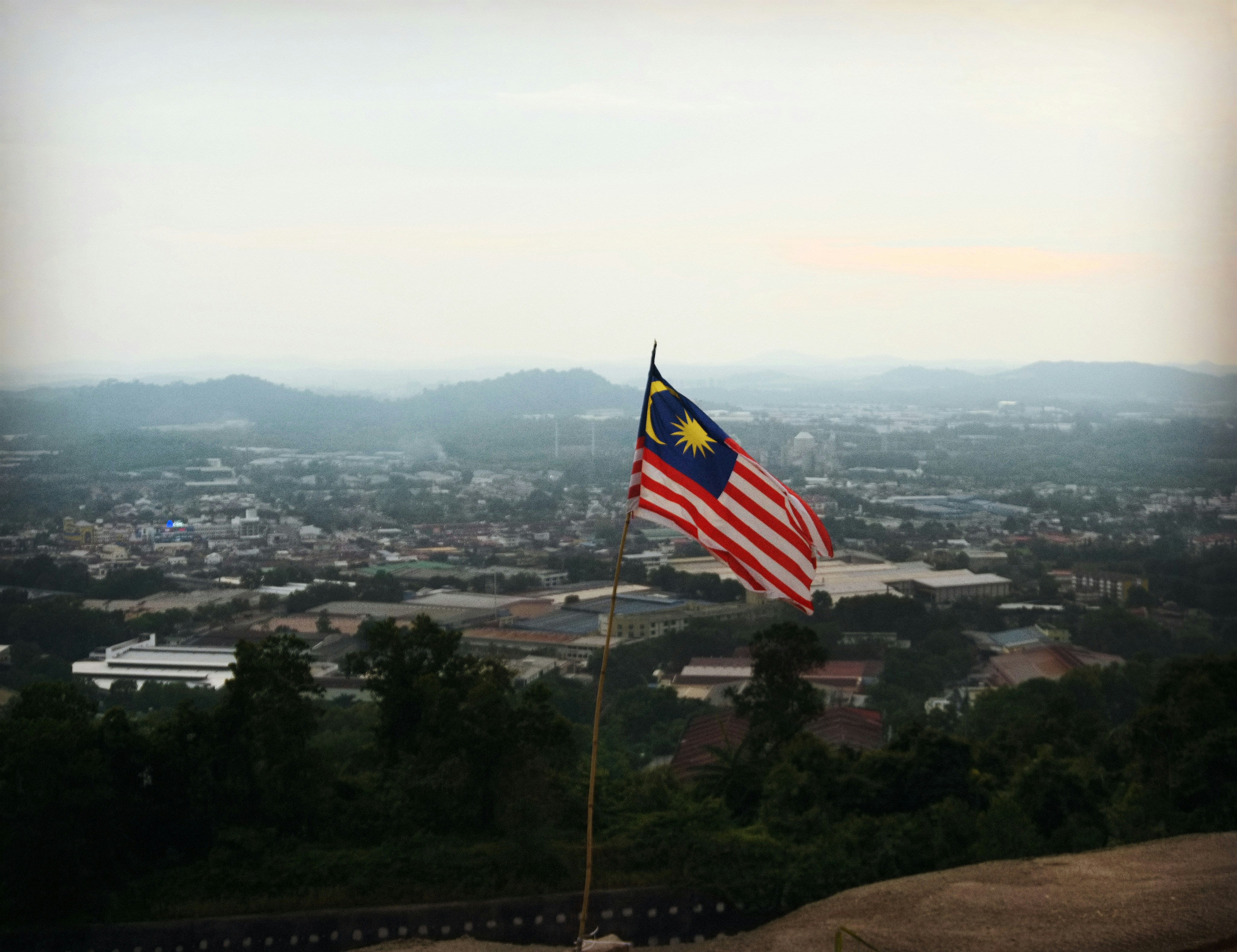
Introduction: The Expat Journey Begins
Embarking on a journey as an expatriate in Malaysia presents a unique blend of excitement and challenges. For many individuals, relocating to this vibrant Southeast Asian nation in 2025 marks the beginning of a significant life transformation. Malaysia, with its diverse culture, stunning landscapes, and well-developed infrastructure, has become an increasingly popular destination for expats worldwide. The allure of its modern cities, like Kuala Lumpur and Penang, paired with rich traditions and culinary delights, sets the stage for an enriching experience.

However, the motivation to move to Malaysia often comes with its own set of obstacles. Many expatriates face initial adjustment challenges, ranging from navigating local customs to understanding the nuances of the job market. Language barriers, for instance, can pose a considerable hurdle, given that Malay is the official language, although English is commonly spoken. Yet, the supportive expat community in Malaysia often serves as a valuable resource, helping newcomers navigate these challenges.
2025 represents a pivotal year for expatriates as ongoing infrastructural developments and economic growth create a favorable environment for those considering a long-term stay. Various sectors, including technology and finance, continue to expand, opening up numerous opportunities for skilled professionals. This positive economic outlook enhances Malaysia’s appeal as a destination that resonates with career aspirations. Furthermore, expats often discover that the ability to immerse themselves in a multicultural society enriches their experiences, providing invaluable insights into different lifestyles and traditions.
In summary, the journey for many expatriates starting in Malaysia in 2025 encapsulates a blend of anticipation and adaptation, making it an intriguing adventure filled with lessons and opportunities for personal growth.
Embracing Cultural Diversity
Malaysia is renowned for its rich cultural tapestry, a vibrant mosaic woven from the threads of various ethnic groups and religions. This diversity is one of the defining features of the nation, where Malays, Chinese, Indians, and numerous indigenous groups live harmoniously side by side. As expats settle into life in Malaysia, they find themselves immersed in a unique cultural milieu that presents both opportunities and challenges. Navigating this cultural landscape requires an open mind and a willingness to learn.
The coexistence of different cultures is most vividly observed during festivals. Major celebrations such as Hari Raya, Chinese New Year, Diwali, and Christmas not only draw participation from their respective communities but also see expats joining in the festivities. This participation fosters a sense of community and allows expatriates to experience authentic cultural practices first-hand. Engaging in these celebrations encourages an understanding of the underlying values, traditions, and family ties that characterize Malaysian society.
Furthermore, expats quickly learn to appreciate and respect diverse cultural norms that shape everyday interactions. From greetings and dining etiquette to dress codes and religious practices, adapting to these cultural standards is crucial for cultivating good relationships with local friends and colleagues. For instance, the concept of ‘malu,’ which encompasses feelings of shame or embarrassment, plays a significant role in interpersonal communication. Understanding such nuances helps expats avoid cultural faux pas and fosters deeper connections.
In addition to festivals and social interactions, expats often explore Malaysia’s culinary diversity, which reflects its multicultural heritage. With countless restaurants and food markets offering an array of dishes, the gastronomic experience becomes a delightful avenue for cultural exploration. Food, as a cultural connector, serves to bridge gaps and promotes dialogue among different communities.
Through these encounters, expatriates not only adapt to their new surroundings but also develop a profound appreciation for the rich cultural diversity of Malaysia, ultimately enriching their expatriate journey.

The Language Barrier: Bridging the Gap
One of the noteworthy aspects of living in Malaysia as an expatriate is navigating the country’s linguistic diversity. While Malay, known as Bahasa Malaysia, is recognized as the official language, English holds a significant position due to Malaysia’s historical ties and global economic connections. This duality creates both opportunities and challenges for expats, particularly when it comes to communication and daily interactions.
🌟 Learn Malay the Easy Way
One of the best ways to feel at home in Malaysia is by picking up some basic Malay phrases. Our free AI-powered micro coach helps you learn Malay online free with daily bite-sized lessons, real conversations, quizzes, and cultural tips — perfect for expats!
🗣️ Practice greetings, ordering food, and daily talk with just 10 minutes a day — no sign-up needed.
Try It Now — It’s Free →Expatriates often encounter language barriers that can affect their social integration and job performance. Despite English being widely understood, the proficiency levels can vary among the local population, especially in rural areas. Miscommunications may arise from different accents, idioms, and colloquialisms that are unique to Malaysian English, often referred to as Manglish. Understanding these nuances is essential for effective communication and building relationships.
Furthermore, for those expats who wish to immerse themselves in the local culture, learning Malay presents a worthwhile challenge. Basic phrases and greetings can go a long way in bridging gaps with locals, fostering goodwill, and enhancing everyday interactions. Language exchange groups and community courses are readily available, offering expatriates the chance to learn from native speakers while also sharing their own language skills.
In addition to spoken language, many expats find that non-verbal communication acts as a bridge. Gestures, facial expressions, and even body language play a crucial role in conveying meaning where words may fall short. Successful communication in Malaysia often relies on a combination of language, empathy, and cultural understanding, making it a rich learning experience.
Overall, overcoming language barriers contributes to personal and professional growth for expatriates in Malaysia. The ability to connect through shared languages or gestures not only allows for smoother day-to-day interactions but also enriches the overall expatriate experience.
Cost of Living: Budgeting in a New Land
Moving to Malaysia as an expat often presents a variety of financial adjustments, particularly when it comes to managing the cost of living. Generally, Malaysia is considered affordable compared to many Western countries. According to recent reports, housing costs in major cities like Kuala Lumpur can range dramatically, yet the prices are often lower than comparable cities such as Sydney or London. Renting a decent apartment in Malaysia can cost between RM 1,500 to RM 3,000, depending on the location and size, making it accessible for many expats.
Food prices also contribute significantly to an expat’s budget. Eating out at local restaurants is relatively inexpensive, with average meals costing around RM 10-20. Conversely, dining in upscale establishments can lead to spending RM 100 or more. Many expats find that cooking at home can lead to substantial savings, especially with the abundance of fresh ingredients readily available in local markets. This culinary aspect not only helps in budgeting but also encourages a more immersive experience in Malaysian culture.
Transportation is another major component of monthly expenses. Public transportation systems, including buses and the LRT, are well-developed and affordable, making them a popular option for both locals and expatriates. A monthly public transport pass usually costs between RM 100-150, a stark contrast to private vehicle expenses, which encompass fuel, parking, maintenance, and insurance. Therefore, many new residents learn to favor public transport as a cost-effective alternative.
Adjusting budgeting strategies is essential for expats. Carefully assessing and tracking expenses at the onset can help establish financial comfort while enjoying the Malaysian lifestyle. Moreover, exploring local markets, seeking out promotions, and utilizing technology for budgeting can significantly aid in this transition. Overall, the experience of budgeting in a new land can lead to not only financial stability but also a deeper understanding of daily life in Malaysia.

Adapting to Malaysia’s Rich Culinary Landscape
Malaysia is renowned for its remarkable culinary diversity, reflecting a vibrant blend of different cultures, traditions, and flavors. For expats, the journey of acclimatization to local cuisine unfolds as they explore a wide array of dining options, from bustling street food stalls to elegant fine dining establishments. Each experience presents an opportunity to learn about the unique ingredients and cooking techniques that define Malaysian dishes.
One of the most exciting aspects of Malaysian cuisine is its multiculturalism, which is influenced by Malay, Chinese, Indian, and indigenous flavors. Expats quickly discover iconic dishes such as nasi lemak, roti canai, and char kway teow, each telling its own story of the nation’s history and heritage. Engaging with local food not only broadens one’s palate but also fosters a deeper understanding of Malaysia’s cultural tapestry. As new residents delve into these culinary experiences, they often find themselves developing a taste for spices and flavors previously unknown to them.
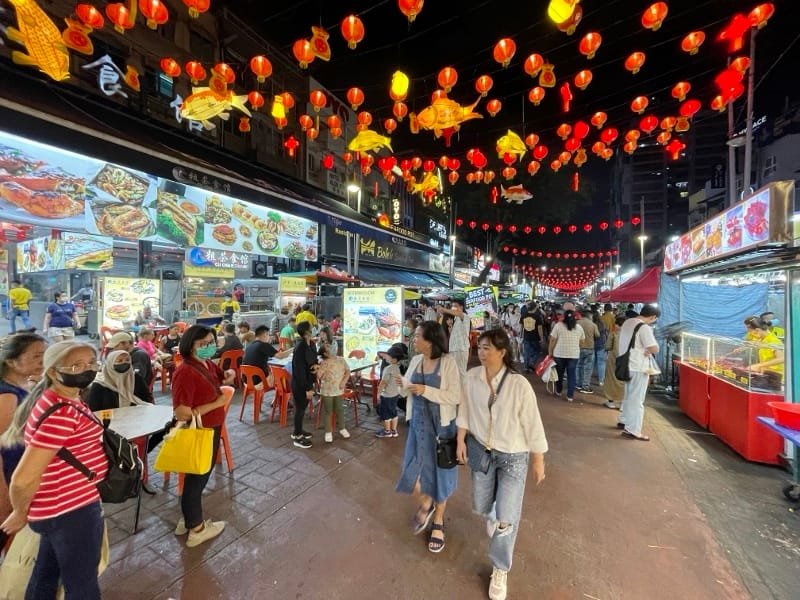
Street food serves as a social hub in Malaysia. Vendors often gather at night markets, making it a common practice for expats to meet up with friends or colleagues after work to sample various delicacies. This communal aspect of dining reinforces social interactions and helps weave expats into the local fabric, promoting camaraderie among diverse groups. Trying local food becomes a shared venture, often resulting in cherished memories and new friendships.
Beyond the flavors and aromas, the act of sharing meals fosters a sense of belonging and acceptance. As expats become familiar with local ingredients, they often integrate these into their own cooking, merging their culinary traditions with Malaysian influences. Consequently, this adaptation not only enhances their culinary skills but also strengthens their ties to the wider community.
Building a Community: Finding Fellow Expats
For many expats, moving to a new country can be a daunting experience, laden with cultural differences, unfamiliar customs, and the challenge of building a new life from scratch. One of the most crucial factors that can ease this transition is community. Establishing a network of fellow expats not only provides companionship but also fosters a sense of belonging that can significantly enhance one’s overall experience in Malaysia.
There are various avenues available for expats to meet like-minded individuals, contributing to the formation of friendships and support systems. Clubs and organizations dedicated to expats abound in Malaysia, with many tailored towards particular interests—be it sports, arts, or social gatherings. Joining local clubs can act as an icebreaker, providing both the opportunity to engage in activities and a chance to meet new people in a casual setting.
Moreover, the benefits of online forums and social media groups cannot be overstated. Platforms like Facebook and Meetup have proliferated communities where expats can interact, share experiences, and arrange meetups. These platforms are particularly advantageous for newcomers, facilitating introductions in a less intimidating environment. For instance, one expat shared that her journey turned around when she attended a meetup organized through a Facebook group. Through this event, she formed lasting friendships that played an integral role in her adaptation to life in Malaysia.
Social events, such as cultural festivals, potlucks, and charity drives, also provide excellent opportunities for expats to engage with locals and other expatriates alike. These gatherings offer a chance to exchange cultural insights and build connections beyond mere acquaintance. Such communal activities create memorable experiences, allowing expats to integrate into the fabric of Malaysian society more seamlessly.
Ultimately, finding a community can significantly enhance the expatriate experience in Malaysia, alleviating feelings of isolation and helping newcomers navigate the complexities of living abroad. By leveraging various channels to connect with fellow expats, one can build a supportive network that enriches their journey in this vibrant country.
Understanding the Education System
The education landscape in Malaysia is diverse, offering various options for expatriate families, comprising both public and international schools. For expats, selecting a suitable education institution for their children can be a significant challenge due to varying curricula, language barriers, and cultural differences. Understanding the local education system is crucial for ensuring a smooth transition.
Public schools in Malaysia offer a standard education primarily in Malay, which might pose difficulties for non-Malay speaking expatriate children. These institutions are operated by the Malaysian government and follow the national curriculum. While they are generally more affordable, the language and adaptation to local customs may require extra support from families. Thus, some expats opt for international schools, which provide education in English and often follow foreign curricula, catering specifically to expatriate communities.
International schools in Malaysia abound, featuring various programs such as the International Baccalaureate (IB), British (IGCSE), and American systems. This range offers expats flexibility when choosing schools that best suit their children’s academic needs and future education plans. However, these schools may come with a higher tuition fee, making it essential for families to consider their budget while evaluating options.
Many expatriates share that navigating the enrollment process can be daunting, often involving waiting lists and application deadlines. Families should begin their search early, gathering all necessary documentation and understanding specific requirements for admission. Additionally, being aware of cultural differences in the classroom can aid in easing children’s adaptation. For instance, classroom behaviors and parental involvement may vary considerably from what expats are accustomed to. Understanding these nuances not only helps in smoothening the educational experience but also enriches the expatriate experience overall.

Navigating Bureaucracy: Visas and Work Permits
Navigating the bureaucratic landscape in Malaysia can be a formidable experience for many expatriates. The first step for newcomers intending to live and work in Malaysia is obtaining the appropriate visa and work permit. The Malaysian government offers several types of employment visas, including the Employment Pass, which is suitable for skilled workers, and the Visit Pass (Temporary Employment), typically used for more casual or short-term jobs.
Applying for these visas involves a series of steps that are crucial to ensure compliance with local laws. Initially, expatriates must secure a job offer from a Malaysian employer who often acts as a sponsor during the application process. It is essential that applicants provide their employer with all necessary documentation, including educational qualifications and relevant work experience, to validate their eligibility for the specific visa type.
However, several challenges may arise during this process, including delays in the processing times, differing regulations across regions, and potential rejections due to incomplete applications. Expats often find navigating the bureaucratic requirements daunting, especially with frequent amendments to immigration policies. To ease this transition, it is advisable for newcomers to seek assistance from local consultants or join expat forums where experiences and tips are shared.
Furthermore, maintaining awareness of the expiration dates and the renewal process of visas and work permits is critical, as overstaying can lead to significant fines or legal issues. While the bureaucratic process in Malaysia may seem intricate at first glance, understanding the visa types and adhering to the guidelines can pave the way for a smoother experience in the country.
Reflections and Future Outlook: Lessons Learned
As expats reflect on their transformative journey through the first year in Malaysia, a mosaic of experiences unfolds, shedding light on personal growth and cultural adaptation. Immersed in a rich tapestry of traditions, languages, and societal norms, expats gain a nuanced understanding of local customs that transcend mere observation. They learn to appreciate the significance of festivals, culinary delights, and familial values, which collectively enrich their lives.
Throughout this period, many expats cultivate essential skills that enhance their adaptability and resilience. Navigating various challenges—whether they pertain to language barriers, professional transitions, or even daily routines—fosters a sense of independence and resourcefulness. As they build connections within their communities, expats often find support in shared experiences, leading to friendships that might last beyond their time in Malaysia.
This first year serves as a foundation for future endeavors. Understanding Malaysia’s diverse cultural landscape equips expats with the insight needed to engage meaningfully with local practices and customs in the years to come. Such engagement not only fosters a sense of belonging but also enhances their professional interactions within the Malaysian workforce, whereby appreciation of local etiquette becomes a valuable asset.
Moreover, the reflections gained during this introductory period will shape their expectations and aspirations in the following years. Expats develop a keen awareness of the importance of continuous learning, humility, and open-mindedness, which are essential traits for thriving in a multicultural environment. Ultimately, the lessons learned during the first year will not only enrich their personal narratives but will also lay the groundwork for a more profound and sustained engagement with Malaysia, affirming that their journey is merely beginning in this vibrant nation.
🌟 Learn Malay the Easy Way
One of the best ways to feel at home in Malaysia is by picking up some basic Malay phrases. Our free AI-powered micro coach helps you learn Malay online free with daily bite-sized lessons, real conversations, quizzes, and cultural tips — perfect for expats!
🗣️ Practice greetings, ordering food, and daily talk with just 10 minutes a day — no sign-up needed.
Try It Now — It’s Free →Read our blogs here: https://malaysiaexpatguide.com/blog/